
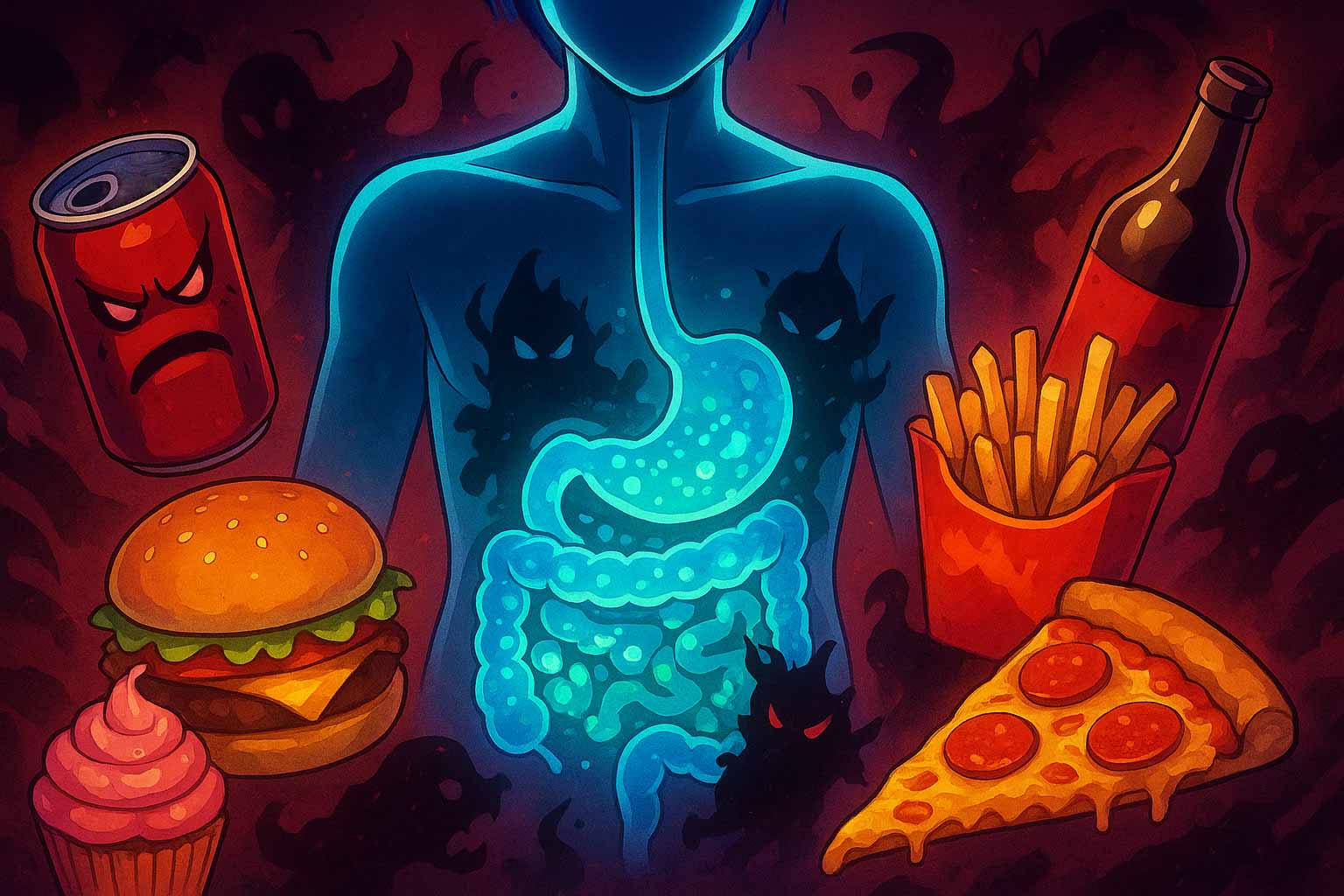
Soothe Your Acid Reflux With the Right Diet Plan
Are you searching for a diet plan to prevent acid reflux that actually works? An effective acid reflux diet plan is less about following a restrictive diet and more about strategic eating. This involves knowing which foods to embrace, which to enjoy in moderation, discovering safe alternatives, and adopting daily habits that can help you keep symptoms under control.
“The doctor of the future will give no medicine, but will interest his patient in the care of the human frame, in diet, and in the cause and prevention of disease.” — Thomas Edison
This comprehensive acid reflux diet guide provides you with a proven diet plan for acid reflux disease, complete with alkaline foods for acid reflux, meal planning strategies, and answers to your most pressing questions about managing GERD through nutrition.
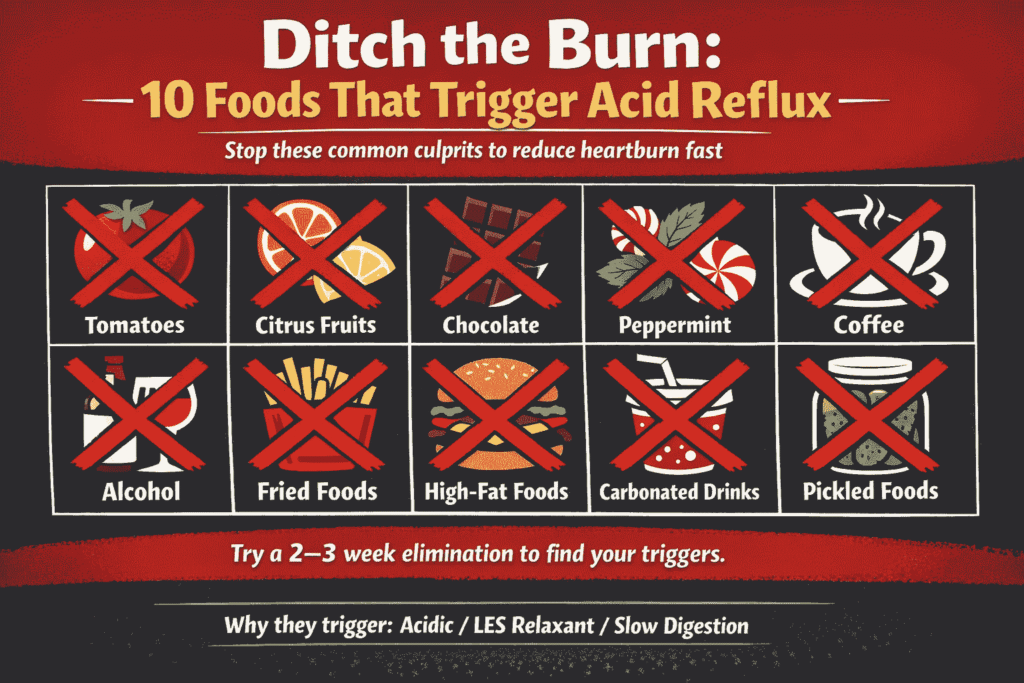
Acidic Foods to Avoid for Acid Reflux and Other Key Triggers
To build an effective acid reflux diet menu plan, you must first identify the “Worst Foods for Acid Reflux.” These foods either increase the total acid volume in your stomach, weaken the Lower Esophageal Sphincter (LES) that prevents stomach acid from flowing backward, or slow digestion, making reflux episodes almost inevitable. Following are the foods you must exclude when creating your acid reflux diet plan:
1. Highly Acidic Foods
- Tomatoes and tomato-based sauces
- Citrus fruits (oranges, grapefruits, lemons)
- Vinegar and pickled foods
2. LES Relaxing Foods
- Chocolate and peppermint
- Coffee and caffeinated beverages
- Alcohol (all types)
3. High-Fat and Fried Foods (delays gastric emptying)
- Fatty meats and ultra-processed foods
- Dairy products (prefer low-fat or skimmed options)
- Fried foods (instead try baked, grilled, or air-fried options)
- Heavy cream sauces
4. Other Common Triggers
- Carbonated Drinks: These increase internal stomach pressure and overall acidity.
- Aromatics and Spice: Onions, garlic, and spicy peppers can irritate the stomach lining.
- Overeating: Large meals that overfill the stomach.
Tip: Try an elimination test, remove one category for 2–3 weeks and track symptoms to find your personal triggers to perfect your personalized acid reflux diet plan.
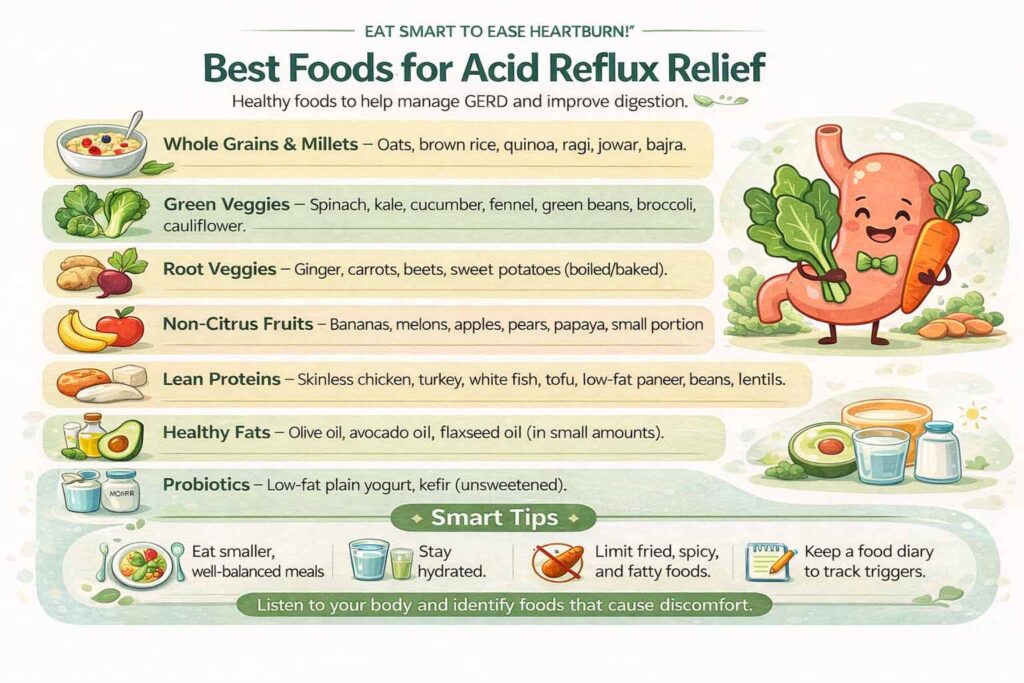
Alkaline Foods For Your Diet Plan For Acid Reflux Relief
Creating an effective acid reflux diet meal plan centers on naturally alkaline foods that help neutralize stomach acid. Here is what to stock in your kitchen to stay consistent with your acid reflux diet plan.
1. Whole Grains & Millets
- Top Choices: Oatmeal, Brown Rice, Quinoa, Whole-grain Bread, Millets (Ragi, Bajra, Jowar)
- Why they work: The primary benefit isn’t their alkalinity, but their high fiber content. Fiber promotes healthy digestion and absorbs excess liquid, which can prevent acid from splashing upward. They are heavy and filling, reducing the likelihood of overeating (a major reflux trigger).
2. Green Veggies
- Top Choices: Leafy greens (spinach, kale, chard), Cucumber, Fennel, Asparagus, Green Beans, and Cruciferous veggies (broccoli, cauliflower, brussels sprouts)
- Why they work: Most green vegetables are naturally low-acid and high-fiber, which promotes fast gastric emptying and prevents the “backlog” that causes reflux. Make sure leafy greens and cruciferous veggies are cooked well to prevent gas/bloating.
3. Root Veggies
- Top Choices: Ginger, Carrots, Beets, and Sweet Potatoes.
- Why they work: Cooked root vegetables are “gentle” because they are easy for the stomach to break down, meaning they don’t sit around and ferment. The faster food moves into the small intestine, the less time there is for it to reflux back up.
4. Non-Citrus Fruits
- Top Choices: Bananas, Melons (watermelon, cantaloupe, honeydew), Apples, Pears, Papaya, Avocados.
- Why they work: These fruits are less acidic than citrus and are generally gentle on the esophagus. Bananas and melons are commonly recommended for people with heartburn. Papaya, apples, and pears give fiber and are usually well tolerated. Avocados are healthy but high in fat, so keep portions small (e.g., a few slices, not a whole avocado).
5. Well-tolerated Nuts
- Top Choices: Small portion of raw almonds, pistachios, or cashews (6–8 nuts)
- Why they work: Your body needs healthy fats, small portion of well tolerated nuts help support your nutrient needs.
6. Unsaturated Cooking Oils
- Top Choices: Extra-virgin olive oil, avocado oil, and flaxseed oil (1 tsp–1 tbsp depending on meal).
- Why they work: Small amounts of healthy oils provide essential fats without the high total fat load that slows gastric emptying and promotes reflux.
7. Probiotics
- Top Choices: Low-fat plain yogurt or kefir (unsweetened).
- Why they work: May support gut motility and microbiome balance while keeping fat content low (reducing delayed gastric emptying and reflux risk).
8. Lean Proteins
- Top Choices: Firm tofu, skinless poultry/turkey, white fish (cod, haddock, flounder, sole, and tilapia), low-fat paneer, egg whites, and legumes (especially beans).
- Why they work: Low-fat protein sources empty faster from the stomach and are less likely than fatty meats to relax the LES or provoke reflux.
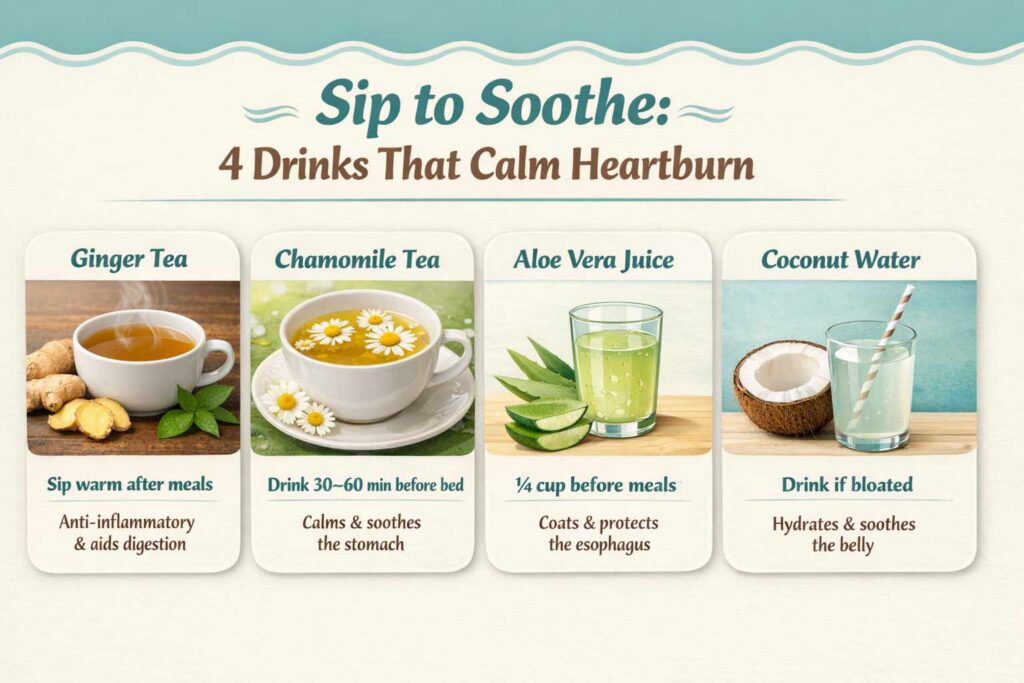
Best Drinks For Your Acid Reflux Diet Plan
When the burn strikes, knowing what drinks are good for acid reflux can provide near-instant relief. That’s why a complete acid reflux diet plan pays just as much attention to what you sip as what you eat. While water is the gold standard, sometimes you need something more soothing or flavorful. However, individual tolerance varies. If a beverage consistently worsens your symptoms, trust your body and stop drinking it.
1. Herbal Teas
Choosing a caffeine-free tea to drink for acid reflux is one of the most effective ways to settle your stomach naturally while shielding your esophagus from irritation.
- Ginger Tea: Widely considered the best drink for acid reflux, ginger is naturally anti-inflammatory. It helps soothe the stomach lining and accelerates gastric emptying, preventing food from sitting too long and causing acid buildup. Sipping it post-meal helps manage acid reflux symptoms.
- Chamomile Tea: A fantastic choice for acid reflux relief, as it aids digestion and utilizes natural anti-inflammatory properties to soothe the system. Additionally, it helps reduce stress, effectively addressing both physical symptoms and the mental triggers that often worsen heartburn.
- Licorice Tea: This tea helps protect the esophagus by increasing the mucus coating of the lining, which acts as a shield against acid irritation. For safety, it should be consumed only occasionally, as regular intake can lead to side effects like high blood pressure or low potassium.
- Fennel Seed Tea: Fennel seed tea is a traditional herbal drink. Its anti-inflammatory compounds, like anethole, can help relax digestive system muscles, which may relieve symptoms such as upset stomach and excess gas.
2. Coconut Water
Coconut water is a good source of electrolytes and supports a healthy overall pH balance in the body. It may help ease symptoms like bloating and nausea for some people, though individual responses can vary.
3. Plant-based Milks
For acid reflux, unsweetened, lower-fat plant milks like oat or almond are often gentler options. Always check product labels, as protein, fortification, and added sugars vary significantly by brand and type.
4. Apple Cider Vinegar
Apple cider vinegar is highly acidic and should be used cautiously for acid reflux. Start by diluting only 1 teaspoon in a full glass of water before meals to see if it helps. It may help some people, but it can also worsen symptoms for others, so it is important to monitor your own reaction and stop if you feel irritation or discomfort.
5. Smoothies & Juices
These easy-to-make blends are a great way to incorporate more vitamins and minerals into your acid reflux diet:
- Aloe Vera Smoothie
- Carrot Apple Smoothie
- Banana Smoothie
- Japanese-Inspired Fruit Smoothie
- The Ultimate Green Juice
Setting Calorie Goals for Your Acid Reflux Diet
Everyone’s individual daily calorie requirements are slightly different and depend on your level of activity, lifestyle, and even genetics. To ensure that your acid reflux diet plan supports a healthy weight (which is crucial for reducing symptoms), follow these steps:
Step 1: Check What’s Your Body Mass Index (BMI)
- Enter your height and weight here to calculate your BMI.
- So, what’s your BMI category?
Step 2: Calculate Your Daily Calorie Target
Once you know your BMI category, you can set your calorie target. Carrying excess weight can increase abdominal pressure, so a core part of any acid reflux diet plan is weight management. Use these formulas based on your weight in kilograms (kg).
| If your BMI is… | Your goal is… | Your daily calorie target is… |
| Healthy (18.5–24.9) | Maintenance | Weight (in kg) x 30 to 35 |
| Overweight (25+) | Weight Loss | (Weight (in kg) x 30) – 500 Calories |
| Underweight (<18.5) | Weight Gain | (Weight (in kg) x 35) + 300 Calories |
- If you are at a healthy weight, you should eat at your Maintenance Calories to stay there.
- If you are carrying excess weight, create a Calorie Deficit by eating less than maintenance to lose fat and reduce abdominal pressure on your stomach.
- If you are underweight, create a Calorie Surplus by eating more than maintenance to gain weight healthily.
Planning Your Daily Meals and Snacks for Acid Reflux Diet
Think of your daily calorie target like a daily budget. Plan your three main meals first to fit most of that budget. That way, you’ll know exactly how many calories you have left for anything else you might want to eat or drink during the day. This helps you stay on track without guessing or going over your limit.
For example, let’s say your daily calorie target is 2,000 calories.
- Breakfast: 500 calories
- Lunch: 600 calories
- Dinner: 600 calories
That uses 1,700 calories for your main meals.
You then have 300 calories left for the day. You can use this for a healthy snack, a drink, or a small treat without going over your budget. This helps you stay on target and prevents overeating, which can stretch your stomach and trigger reflux.
Building The Perfect Acid Reflux-Friendly Plate
When structuring a diet to prevent acid reflux, focus on meals that are low in fat, refined carbohydrates, and sugars, but rich in fiber. You can manage your symptoms by building your breakfast, lunch, and dinner plates using the following model:
1. Non-acidic Veggies (50% of the Plate)
- Provides you fiber, vitamins, and minerals
- Best Choices: Zucchini, brussel sprouts, green beans, broccoli, cauliflower, cucumbers, carrots, asparagus, celery, fennel, and leafy greens (kale/spinach).
- How to Prep: Steam, sauté (lightly), roast, or serve as a light, mildly spiced curry.
- Cooking Oil: Choose unsaturated oils for cooking or as a dressing, and use them sparingly.
- Portion Size: Fill approximately half your plate with vegetables (roughly 1.5-2 cups cooked vegetables per meal).
- 🚩 Red Flags: Avoid tomatoes, raw onions, and garlic, as these are the most common triggers.
2. Lean Protein (25% of the Plate)
- Provides you enough protein and healthy fats.
- Veg Choices: Legumes, low-fat paneer, tofu, tempeh, nuts, etc.
- Non-Veg Choices: Skinless chicken breast, turkey, egg whites, and white fish (cod, haddock, flounder, sole, and tilapia).
- How to Prep: Grill, poach, broil, bake, steam, or serve as a light, mildly spiced curry.
- Cooking Oil: Choose unsaturated oils for cooking or as a dressing, and use them sparingly.
- Portion Size: Aim for 3–4 ounces (85–115g, about the size of your palm) of dense protein (e.g., poultry, fish, eggs, tofu, paneer). The equivalent serving for cooked legumes is ¾ to 1 cup.
- 🚩 Red Flags: Avoid fried meats, fatty meats, or salmon/mackerel in large quantities (while healthy, the high fat can trigger reflux in some).
3. Complex Carbs (25% of the Plate)
- These act like a “sponge” for excess gastric juice.
- Best Choices: Oatmeal, millets, quinoa, whole-wheat bread, brown rice, and boiled sweet potatoes (no skin).
- Portion Size: 100-150g cooked grains or 2 slices of whole-wheat bread per meal is appropriate.
- 🚩 Red Flags: Avoid heavy pastas with cream or tomato sauces, and high-fat pastries.
Tip: Aim to eat 2 or 3 whole, non-citrus fruits that are each about the size of your fist, having one at different times over the course of your day.
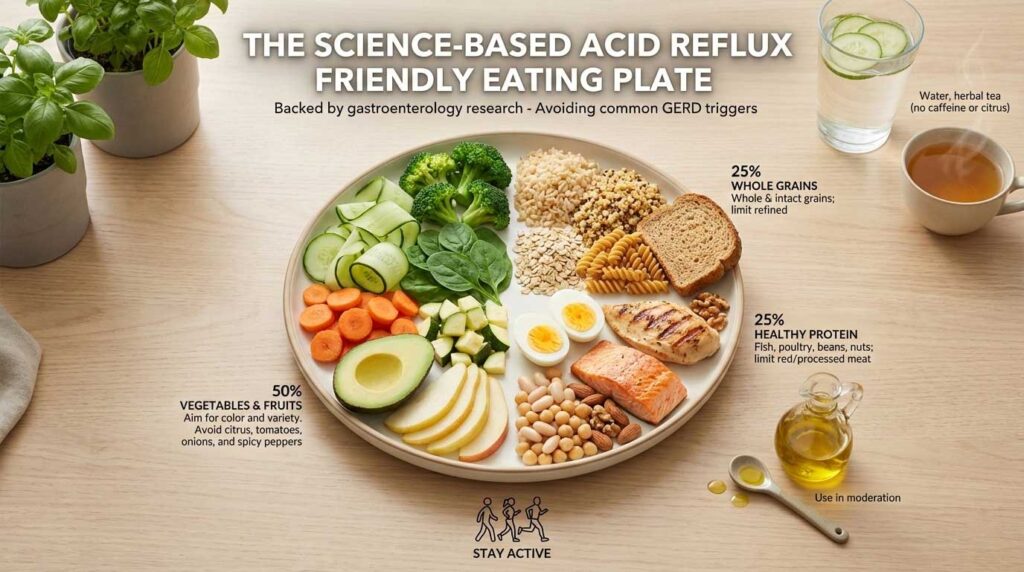
The benefit of building your meals using this framework is that, no matter what food you slot in, your perfect plate will always be roughly around 500 calories, may be a little more or may be a little less.
Track your calorie intake to monitor your consumption against your calculated daily energy needs, helping you manage your weight effectively. Remember, the goal isn’t perfect accuracy (which is impossible), but to build self-awareness and foster better nutritional habits.
To learn more about hand portion measurements, click here and to measure your food calories, check out: MyFoodData, Fatsecret, or IndianCalorie.com.
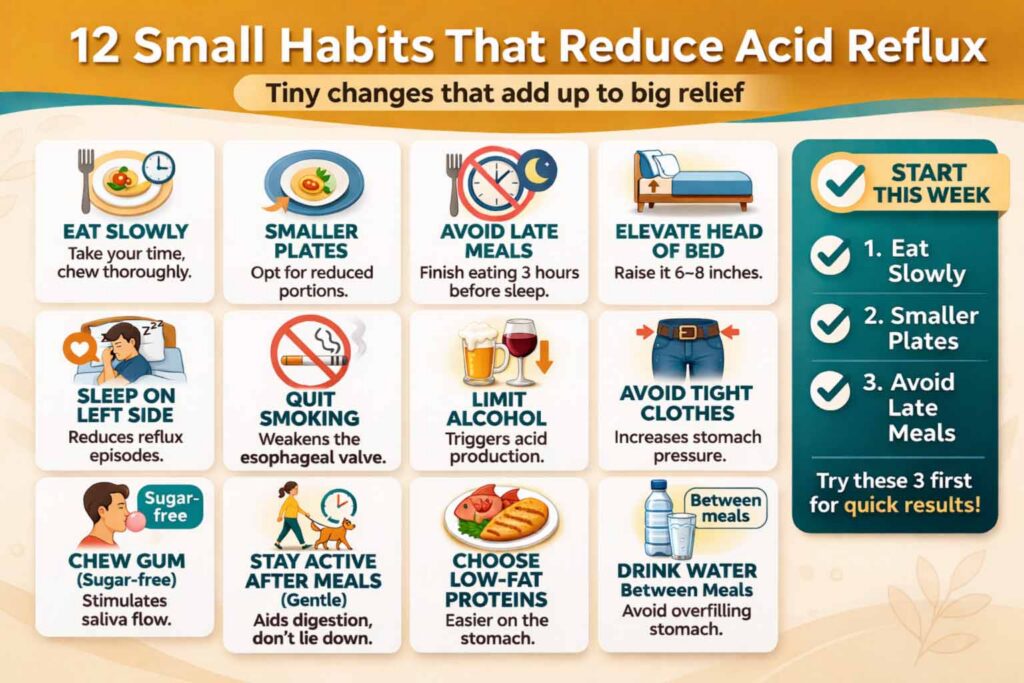
Supportive Habits to Enhance Your Acid Reflux Diet
As is often said, small, consistent habits beat occasional heroics every time. Similarly, a diet plan to prevent acid reflux works best when paired with small, consistent lifestyle adjustments:
- Always maintain a healthy weight.
- Follow the perfect plate framework to plan your meals for the day.
- Keep your calorie intake in check and avoid your trigger foods.
- Eat clean and avoid junk.
- Chew your food slowly and throughly.
- Avoid lying down or doing strenuous workouts immediately after eating.
- Chew non-mint sugar-free gum for half an hour after meals, as per studies it has helped clear acid and reduce post-meal reflux.
- Drink 2-3 liters of water daily, avoid large gulps with food.
- Avoid tight clothes around the waist.
- Stay physically active (gentle activity helps digestion).
- Quit smoking and limit alcohol.
- Manage stress and sleep quality.
- Avoid late night eating.
- Stop eating 2-3 hours before bed.
- While sleeping, elevate the head of your bed with a wedge pillow and try to sleep on your left side.
Conclusion
A strategic diet plan to reduce acid reflux can dramatically improve your quality of life. By consistently avoiding trigger foods, filling your plate with alkaline foods for acid reflux, and adopting mindful eating habits, you can achieve lasting relief without medication for many cases.
If symptoms persist despite dietary changes, consult a gastroenterologist. They can assess whether you need additional interventions. Remember, while diet is powerful, it’s just one component of comprehensive GERD management.
“Treat your food as your medicine, or one day you will be treating medicine as your food.” — Hippocrates
Start your healing journey today with these simple dietary shifts.
What’s the first alkaline food you’ll add to your personal acid reflux diet plan this week?